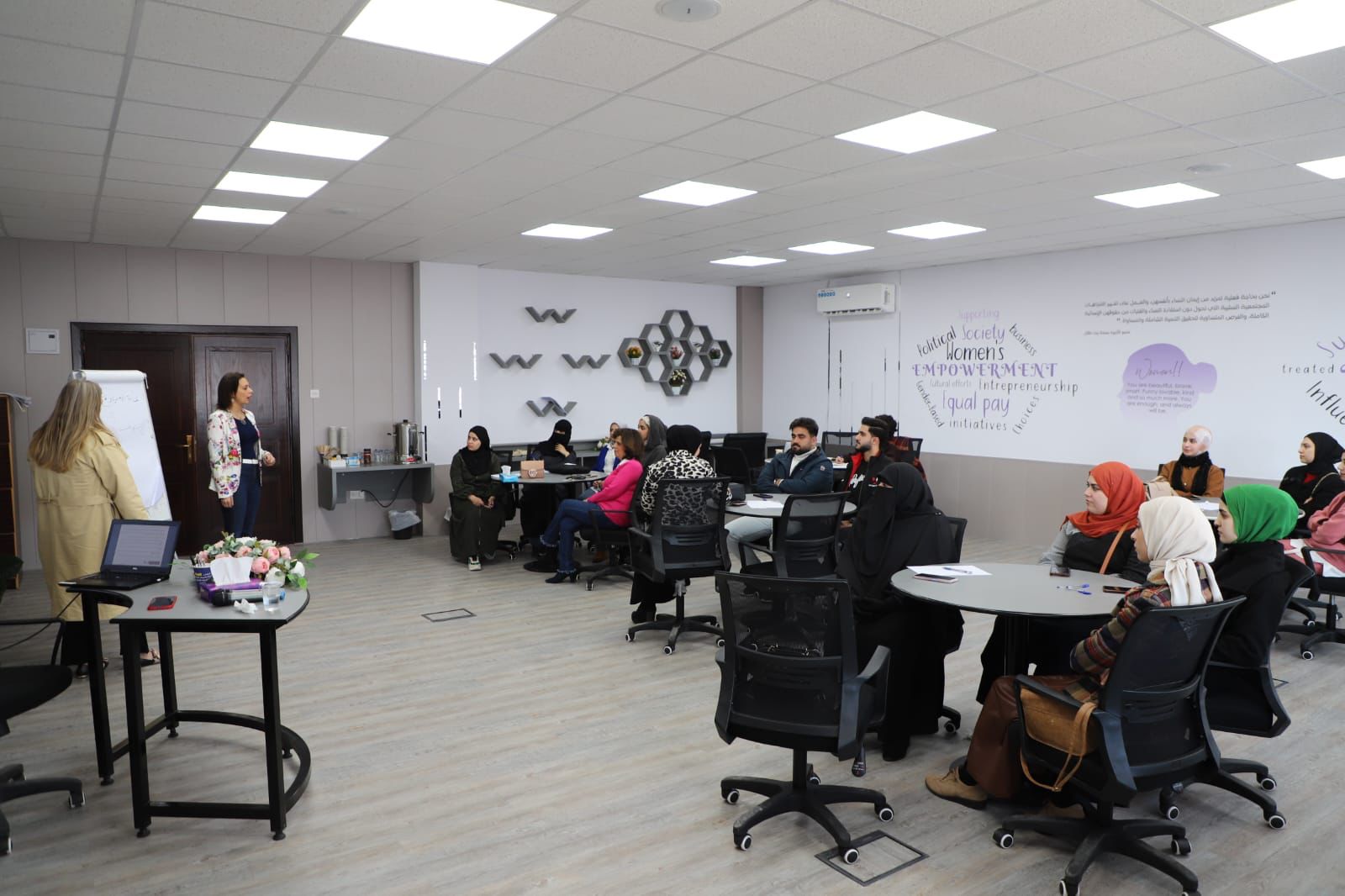
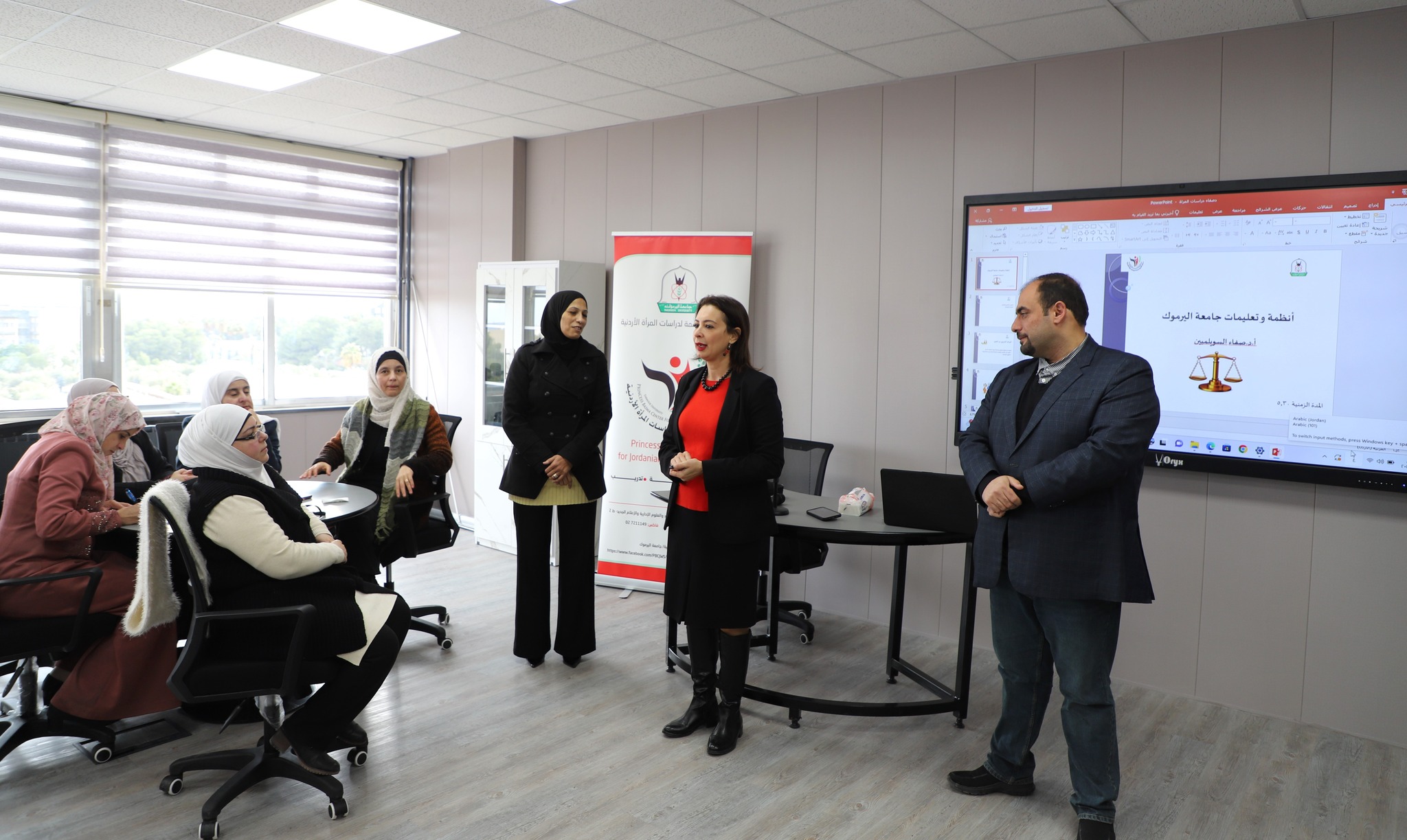
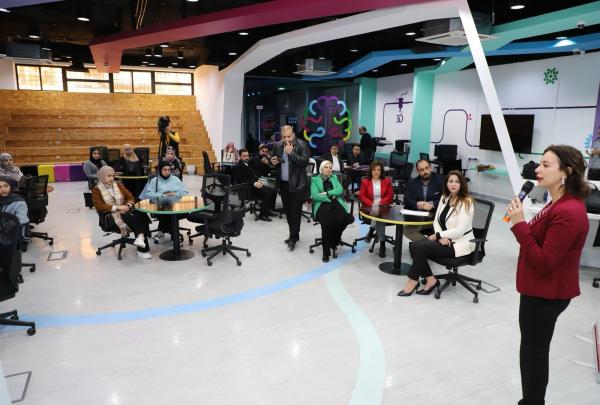
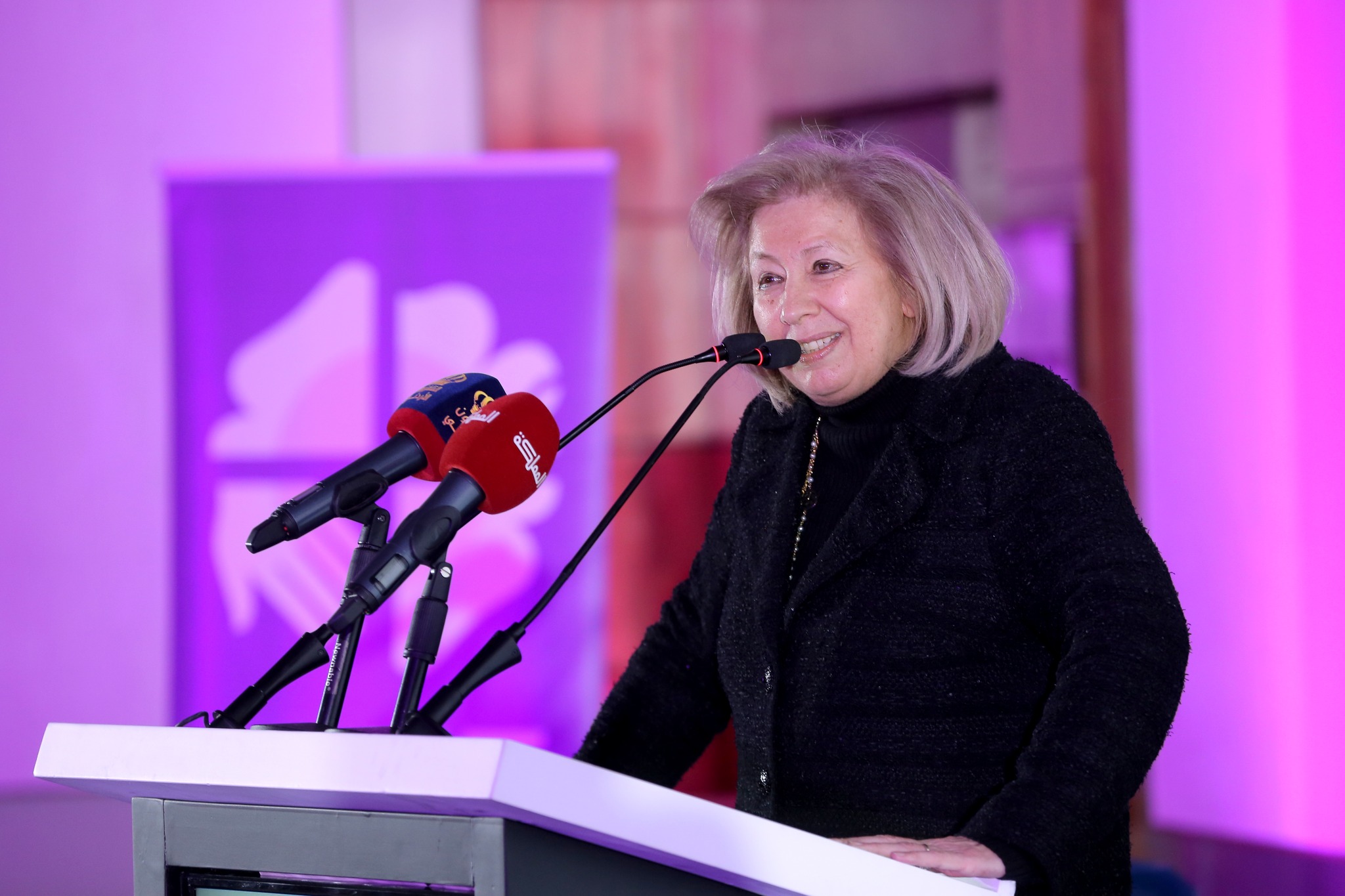
The Yarmouk University Student Union 2024 instructed the Deanship of Student Affairs and the Princess Basma Center for Jordanian Women's Studies to arrange a training discussion session for university staff.
According to Dr. Batoul Al-Muhaisen, director of the Center, the Center and the Deanship are collaborating on workshops and training sessions to teach university staff about various instructions, especially those pertaining to the student body, and to qualify them to handle them effectively and accurately.
She emphasized that the university's cadres, including members of the administration and teaching bodies, should attend this session to learn about the changes made to the student union's new guidelines.
During his presentation of the workshop, Muwaffaq Al-Batayneh, assistant director of the department of cultural and artistic activities at the deanship, stated that its organization is in line with the deanship's directive to create a program of training and dialogue for university staff. The objective is to equip them to participate in the management of upcoming student merit, symbolized by the 29th session of the University Student Union Council elections. The institution plans to finish determining eligibility somewhere in the middle of the current school year's second semester.
As he went on to say, the deanship is doing everything it can to ensure that the election process comes out looking magnificent, as befits Yarmouk University and its long history.
We also presented the session in collaboration with Wasel Al-Omari, a member of the Deanship of Student Affairs' Student Bodies Department.
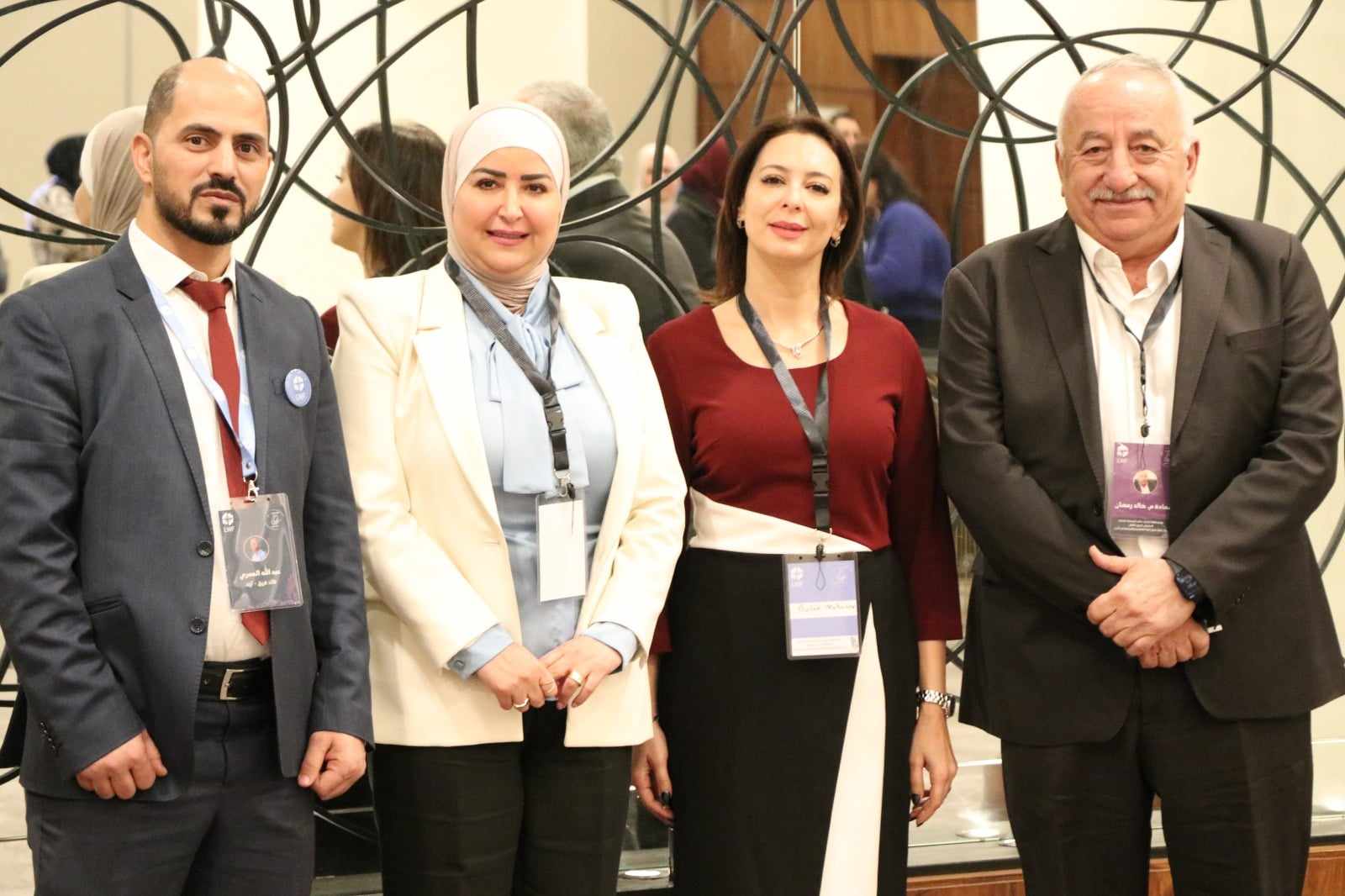
At a conference hosted by the Lutheran Charitable Federation, the Princess Basma Center for Jordanian Women's Studies was able to share its findings on the economic and social rights of Jordanian women, as well as the recommendations made by the Local Communities Alliance for the Universal Periodic Review. Her Excellency Haifa Al-Najjar, Jordan's Minister of Culture, graced the event.
As part of the project "The Rights-Based Approach: Women's Social and Economic Rights in Jordan from Local to Global," which involved holding dialogue sessions with a group of experts in the fields of gender-based violence and women's economic rights, LWF and its coalition partners in Jordan presented the recommendations of the shadow report of the Universal Periodic Review. The project also produced policy papers.
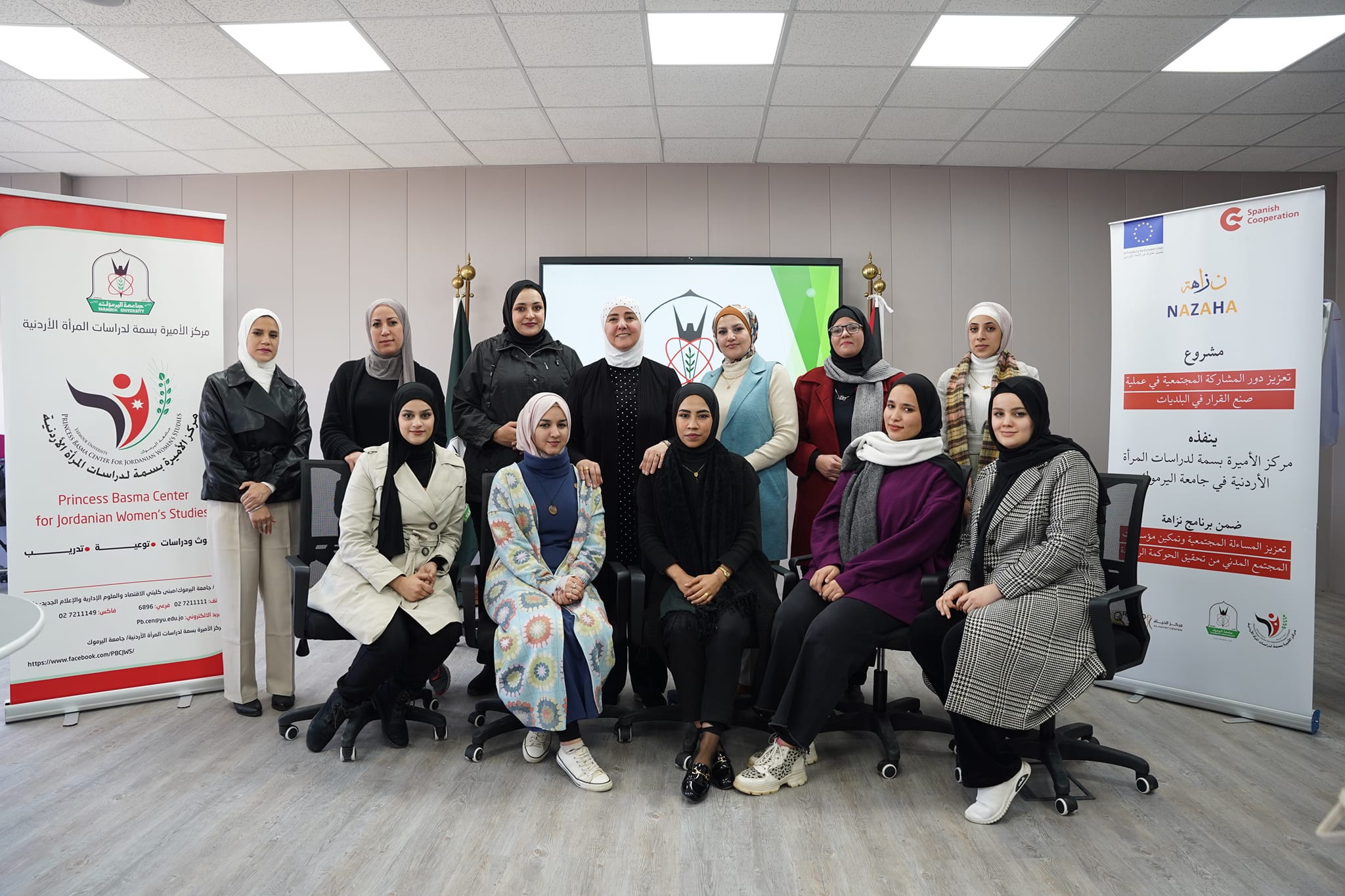
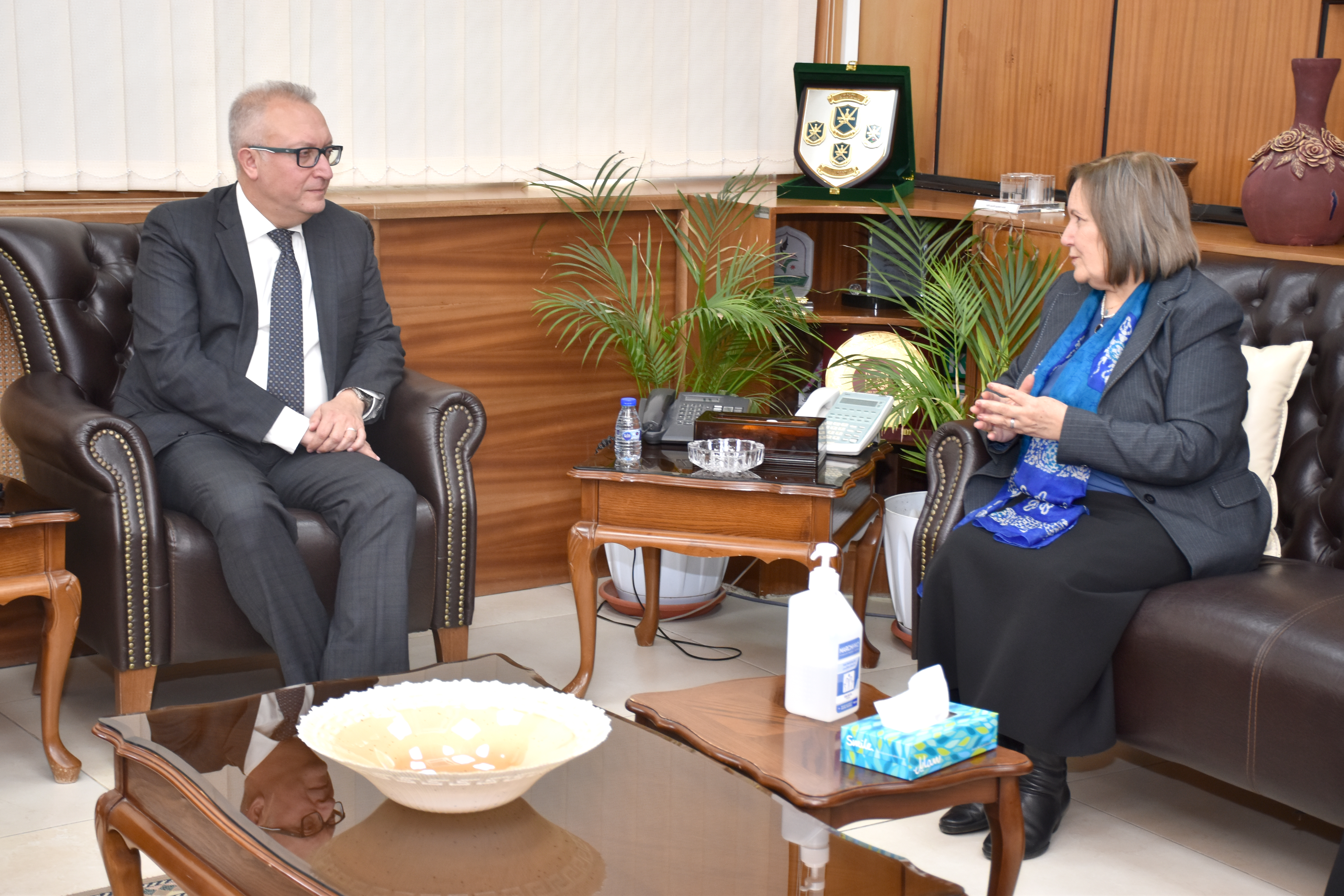
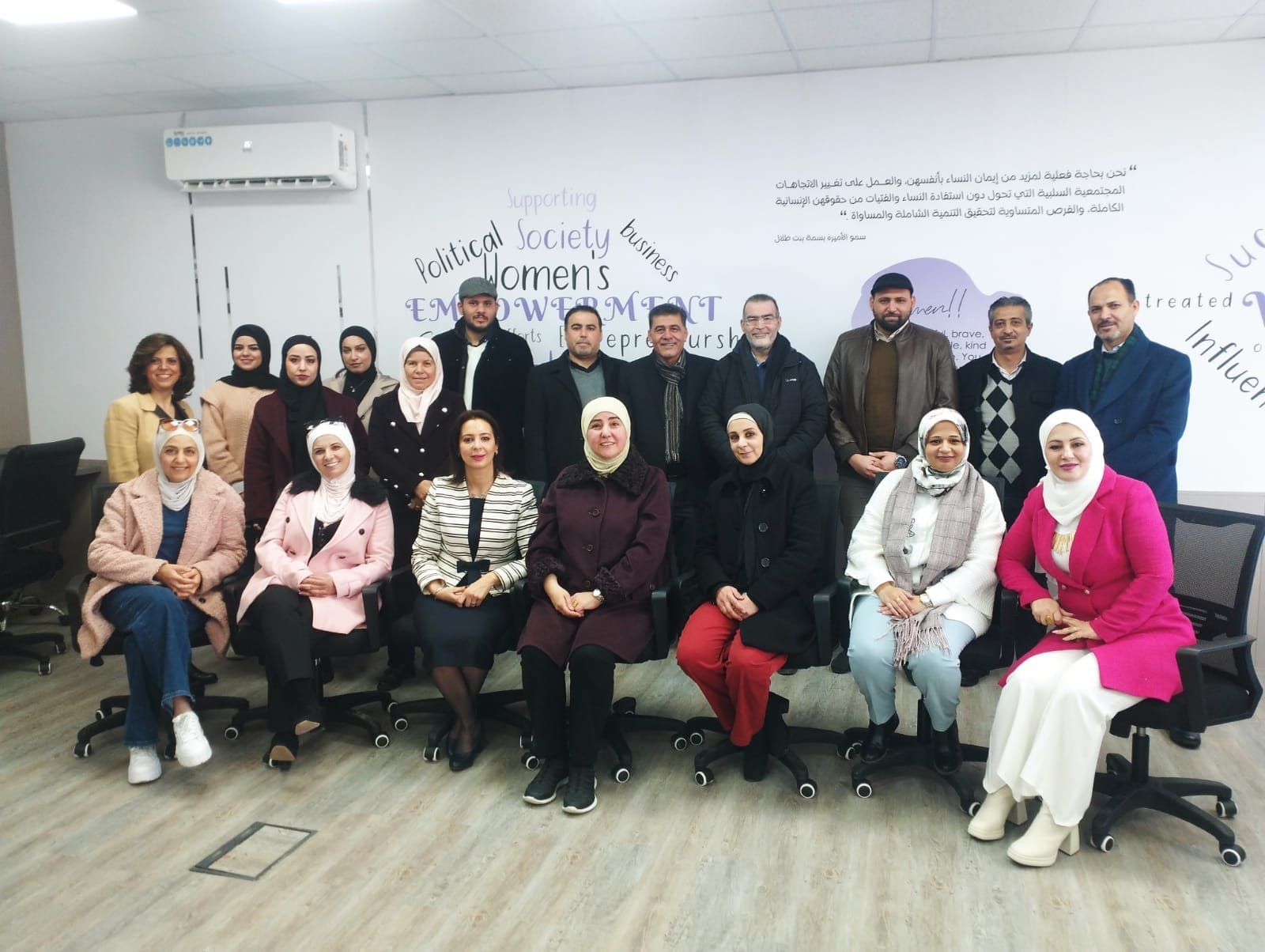
Dr. Batoul Al-Muhaisen, Director of the Princess Basma Center for Jordanian Women's Studies, sponsored the conclusion of the training program (A Journey into Entrepreneurship), which is being implemented by the Center with the support of the Lutheran Charitable Federation in collaboration with the Jordan Intelligence Company to train a group of female university administrators. The training program lasted 36 hours, consisting of 12 training lectures.
The goal of this program is to help participants develop their thinking skills, such as creativity, innovation, passion, and work ethics, as well as their communication and behavioral skills, such as self-discovery, leadership, teamwork, time management, presentation, and negotiation. It also prioritized technical abilities, such as financial understanding and commercial acumen.
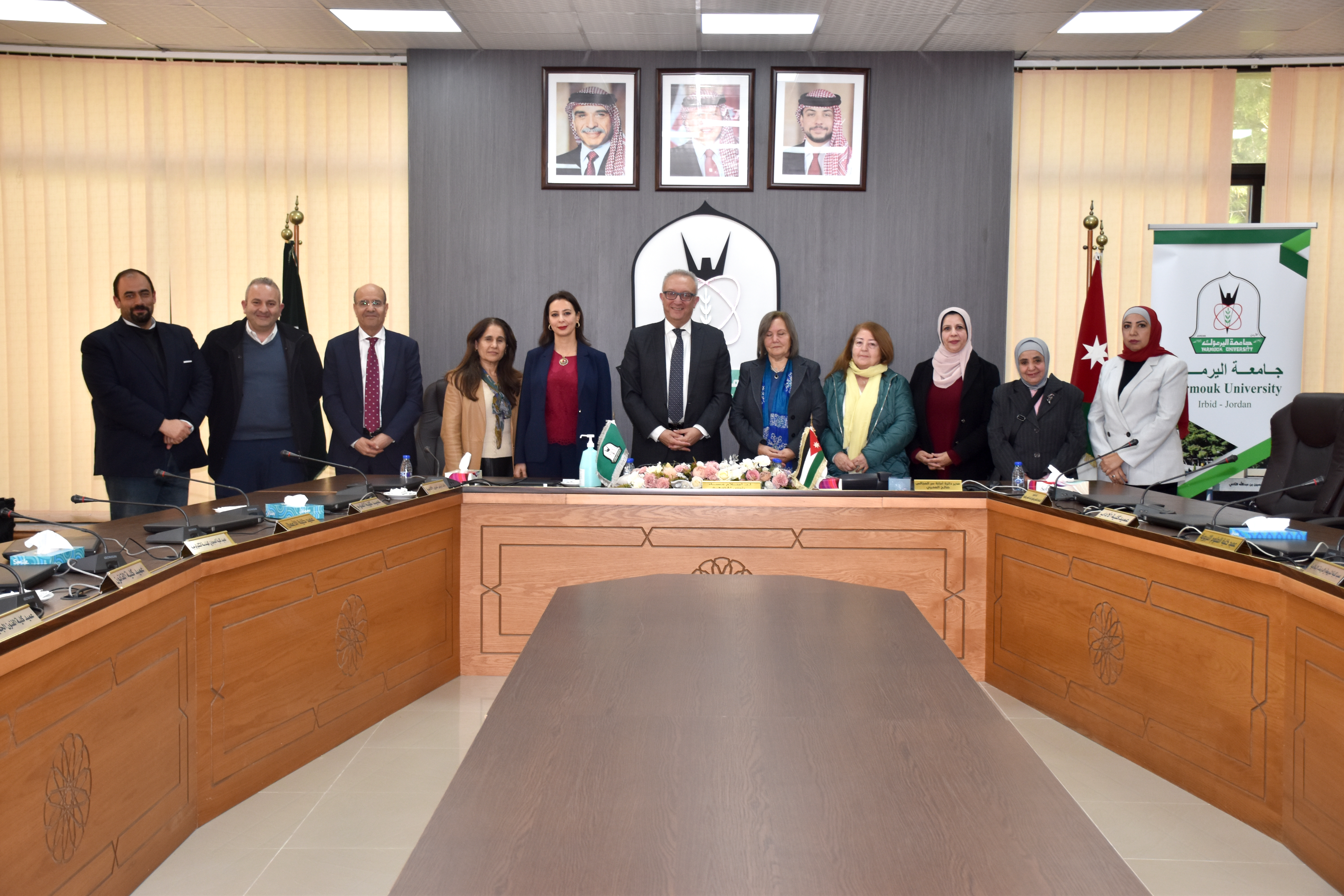
Ms. Sophie Al-Ramini, Director of Marketing at Thakaa Jordan Company; Mr. Abdullah Al-Omari, Director of the Lutheran Benevolent Union, Irbid Branch; Professor Dr. Mowaffaq Al-Atoum, Dean of the Hijjawi College of Technological Engineering; Professor Dr. Abdel Baset Athamneh, Director of the Queen Rania Center for Community Service; and the Center's staff were all present for the certificate ceremony.
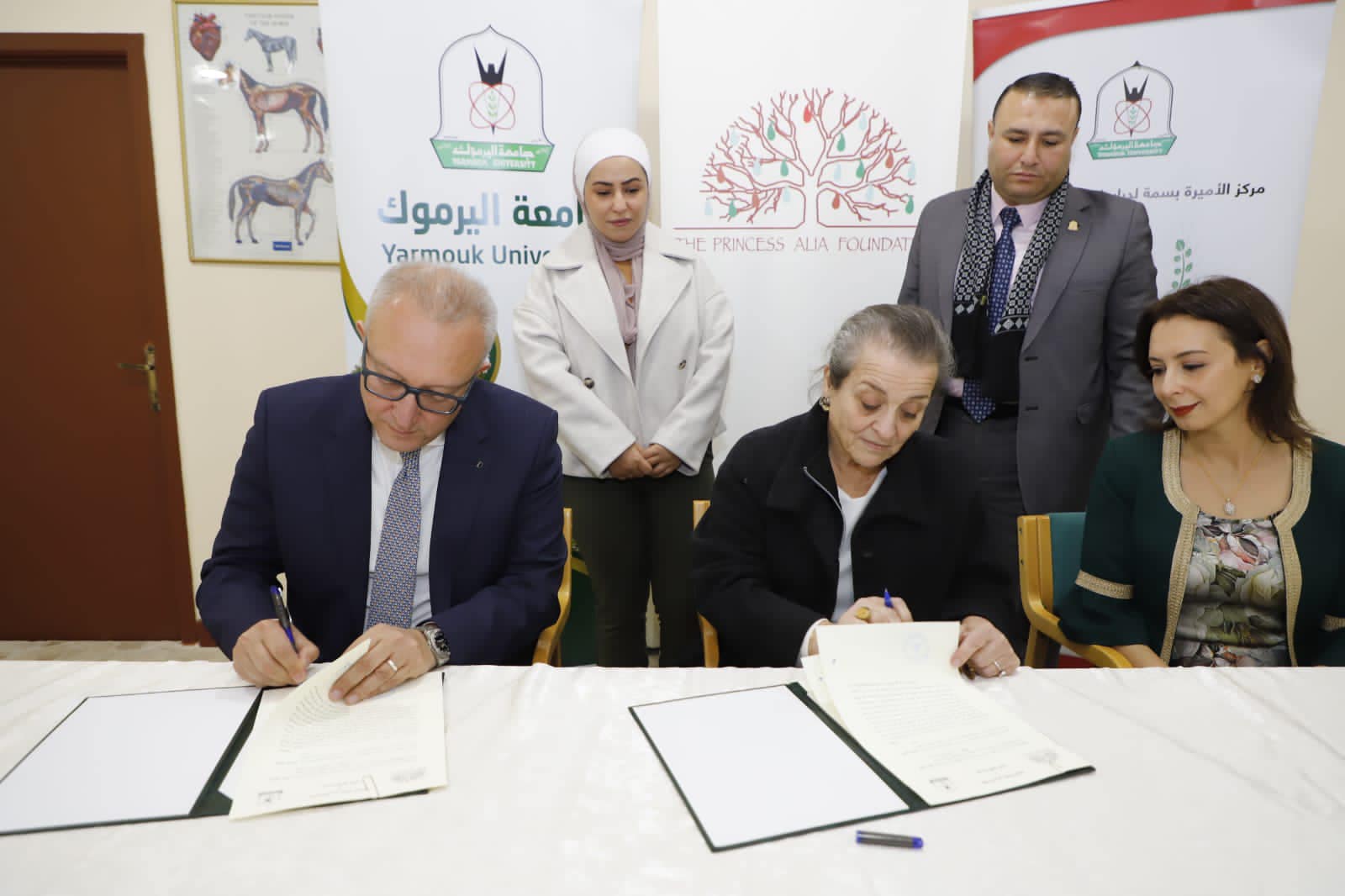
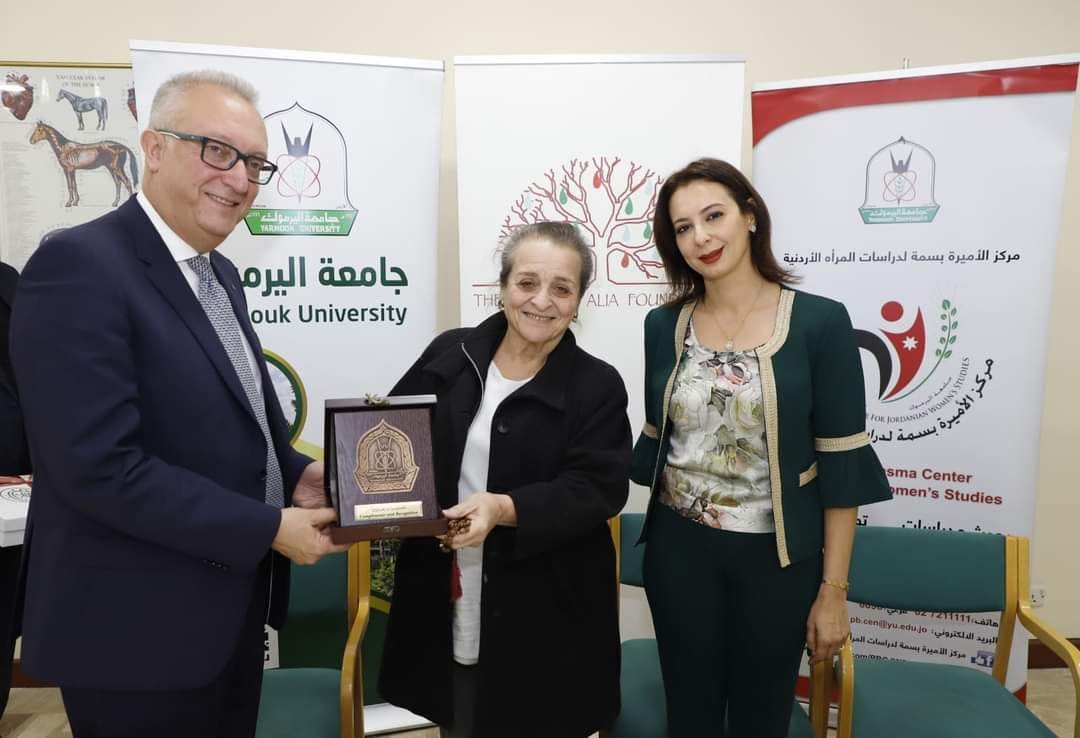
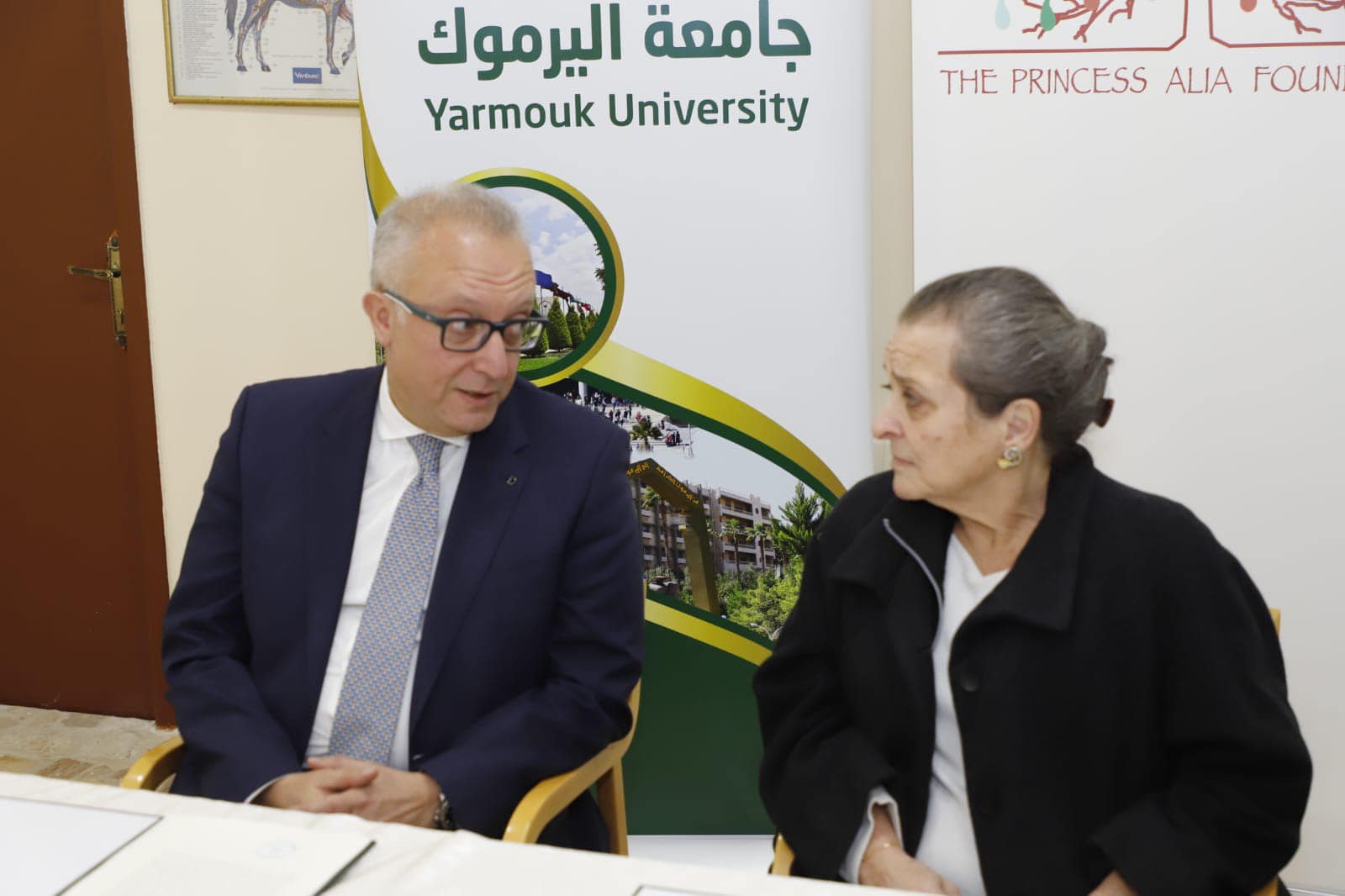
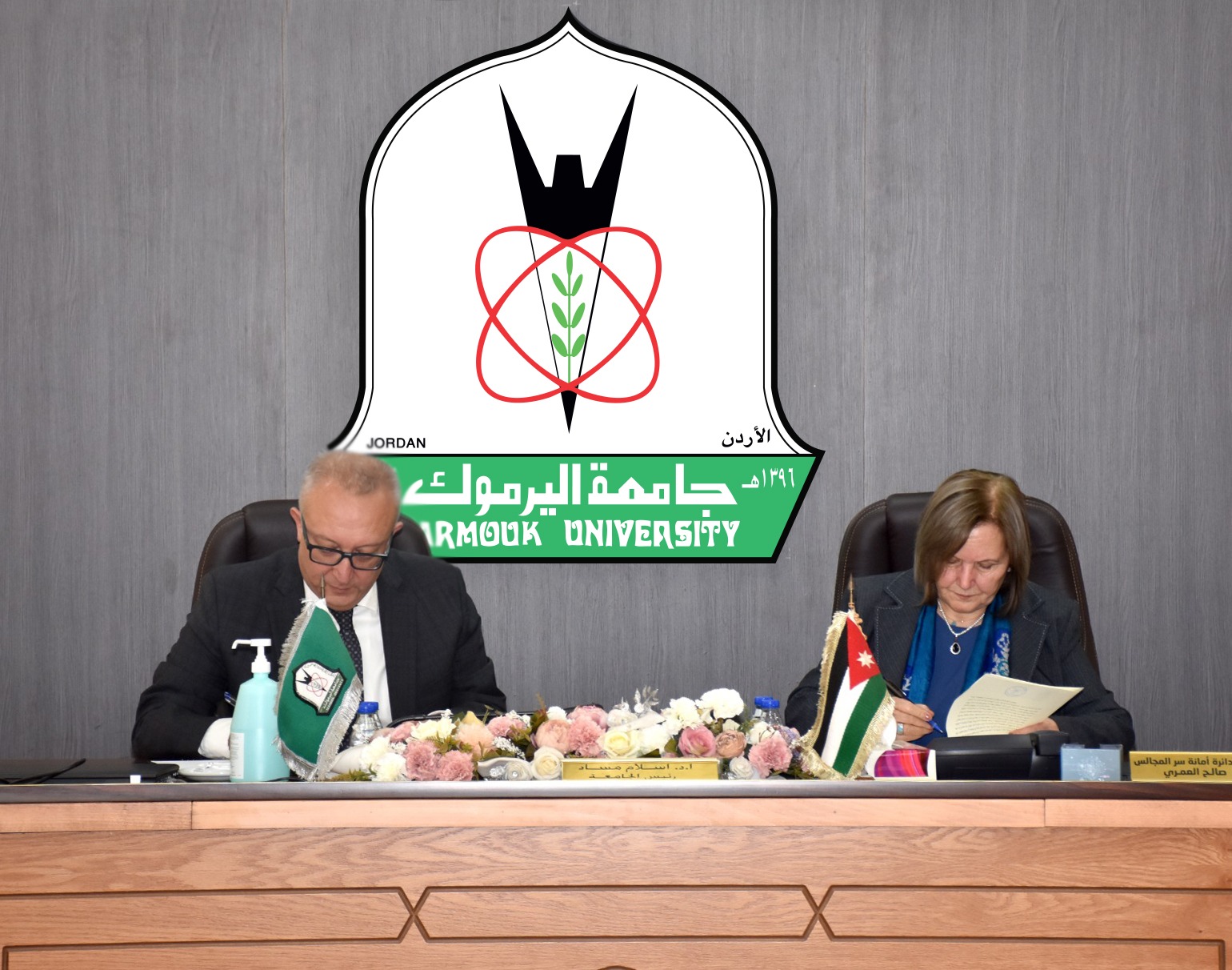
Her Highness Princess Alia bint Al Hussein, Executive Director of Princess Alia Foundation, and Professor Islam Massad, President of Yarmouk University, signed a memorandum of understanding between the two sides aiming for cooperation in achieving sustainable development and enhancing social responsibility in issues related to women.
Her Highness Princess Alia stressed the importance of cooperation and partnership between the Foundation and Yarmouk University since Yarmouk has always been distinguished by scientific leadership and community service. Her Highness added that the Foundation appreciates signing memorandum due to its great value in various fields, especially women, sustainable job opportunities, and the environment. She then indicated that the mission of Princess Alia Foundation is better summarized in terms of influencing the civil society and all partners and relevant parties through charitable work and social responsibility.
Massad said that Yarmouk University, based on the philosophy of its mission, is always trying to expand its network of relationships with national institutions that are active in social and community service, indicating that the Princess Alia Foundation is at the forefront of these leading Jordanian institutions at the level of women, social and volunteer work. He added that the memorandum of understanding gains its great importance from its role in contextualizing the interactive work conducted by the University in favor of the Jordanian society and population.
He also stated that Yarmouk University is ready to deploy its capabilities and the expertise of its cadres in the service of Princess Alia Foundation and its goals, programs, and activities. He then pointed to the efforts of Princess Basma Center for Jordanian Women's Studies, its vision through scientific leadership in the field of social research and Jordanian women's studies, and its effective contribution to building a society characterized by greater diversity, democracy, and respect for human rights, where women can enjoy equal opportunities and means of advancement in various aspects of life.
The memorandum, which was signed by the Director of Princess Basma Center for Jordanian Women’s Studies at Yarmouk University, Dr. Batoul Al-Muhaisen, stipulated that the Foundation is allowed to use the University’s facilities and human resources and seek assistance from its expertise and educational staff to implement activities and programs that target female students and contribute to developing their abilities. It also stipulated the provision of the names of female students who wish to participate as volunteers or trainees in the Foundation’s programs and projects.
Dr. Muhammad Al-Anqara, Dean of the Faculty of Arts, represented the President of Yarmouk University and sponsored the opening of the seminar titled "Media and Women: National Pillars for Political Action," which was organized by the Faculty of Arts, the Princess Basma Center for Jordanian Women's Studies, and the Center for Sustainable Development at the university, with the participation of Engineer Nour Al-Lawzi, Dr. Safaa Al-Sammadi, Sultan Al-Khalayla, and Ahmed Hajjaj.
According to Al-Anqara, Yarmouk University is proud of its role as a leading educational institution in enriching political work in Jordan, as it provides, through its academic programs and intellectual activities, an advanced scientific and intellectual framework that contributes to supporting and improving the political process in the Kingdom, with the aim of inspiring and motivating students, researchers, and academics to actively participate and contribute to politics.
He also mentioned the university's eagerness to adopt and enhance the role of women in enriching political work, in line with His Majesty King Abdullah II's visions, which constantly emphasize the importance of empowering women in all fields, particularly politics, stressing that developing women's capabilities and increasing their effective participation in the political process is an important investment for Jordan's future.
Al-Anqara emphasized the importance of the media in highlighting success stories and women's positive roles in political and social processes, urging all media outlets to present a balanced and fair image that highlights women's contributions in various areas of public life, which helps to change stereotypes and improves women's position in society. He emphasized the importance of the political modernization system in increasing women's political roles in Jordan, describing it as an important step toward further progress and development in the Kingdom, as well as reflecting Jordan's commitment to achieving equality and justice for all members of society.
Dr. Batoul Al-Muhaisen, director of the Princess Basma Center for Jordanian Women's Studies, emphasized that women are a symbol of national achievement, and the media must support women and convey their correct image to society by highlighting their achievements and creativity in various fields. He emphasized the center's constant endeavor to strengthen the partnership between the university, as an academic institution, and the national community institutions.
She emphasized the importance of the developmental role that creativity and scientific research play in various fields, particularly political and social work, emphasizing the Center's unwavering belief in the ability of women and men to create a prosperous future for Jordan, making it critical for decision makers and politicians to reduce the sanctions they face and support them in a variety of ways to assist them in performing their role in serving society.
During the talk, Al-Lawzi discussed women's involvement in elections and how the media should support them. She highlighted some of her electoral, political, and media experience, while Al-Sammadi spoke about her partisanship and the importance of women's political engagement. Al-Khalayla also discussed the National Committee for Modernizing the Political System and women in politics, while Hajjaj looked at the motivations for being active in politics, the role of the media, the structure of the political message, and when good political participation begins. Dr. Tariq Al-Nasser, Deputy Director of the Princess Basma Center for Jordanian Women's Studies, led the lecture, and the panelists answered audience questions at the end.
The President of Yarmouk University, Dr. Islam Massad, and the Secretary General of the Jordanian National Commission for Women, Engineer Maha Al-Ali, signed a memorandum of understanding, with the aim of institutionalizing cooperation between the two sides, exchanging experiences, and building partnerships in the field of enhancing the role of women and youth in social and economic life, in addition to empowering a conscious generation to actively participate in Political and civil life.
The memorandum was signed at the Yarmouk University Liaison Office in Amman, in the presence of representatives of the economic and legal teams in the committee, which includes Al-Ain Ihsan Barakat, head of the legal team, Dr. Reem Al-Baghdadi, member of the committee’s economic and advisory team, and director of the Princess Basma Center for Jordanian Women’s Studies at Yarmouk University. Dr. Batoul Al-Muhaisen.
Al-Ali stressed the importance of this cooperation, which embodies the effective partnership with educational institutions, noting that institutionalizing cooperation with Yarmouk University, which includes the Princess Basma Center for Jordanian Women’s Studies, will contribute to achieving the goals and aspirations of the committee in enhancing the role of women in various fields, considering this memorandum a step. Important in the path of participatory work towards implementing the initiatives of the executive plan of the National Strategy for Women.
She added that this "plan" includes six axes that focus on political and economic projects, encouraging social patterns that support women's role in the family and society, institutionalizing the concepts of gender equality and equal opportunities at the level of public and private sector institutions, confronting violence against women and girls, and promoting women's human rights.
Al-Ali pointed out that “the Jordanian National Commission for Women’s Affairs seeks during the year 2024 to expand cooperation and partnership with educational institutions in implementing a number of its programs and projects.”
For his part, Massad expressed his happiness at the signing of this memorandum between the Jordanian National Commission for Women’s Affairs and Yarmouk University, as the first Jordanian university to sign with it, pointing to its importance in building a conscious and responsible generation, capable of facing the challenges of the future, stressing the importance of integrating efforts between the academic sector and institutions. National initiative to enhance the role of women and youth in building a society based on justice and sustainable development.
He pointed out that Yarmouk University seeks to achieve the lofty royal vision, the vision of economic modernization, and the outcomes of the Royal Commission to Modernize the Political System, through cooperation with the Jordanian National Commission for Women’s Affairs, and exchanging experiences and knowledge, which constitutes an opportunity to organize and implement awareness programs targeting university students, youth, and the local community.
Massad stressed the university’s endeavor and vision, through this partnership with the “Committee,” to encourage scientific research on women’s issues, enhance their participation in scientific and research fields, and invest their creative and intellectual energies in serving society and the Jordanian state.
It is noteworthy that the areas of cooperation between the two parties include the preparation of a joint annual work plan that includes the programmes, activities and events that will be implemented by the two parties. The areas of cooperation also include the exchange of studies and research and providing the Jordanian National Commission for Women’s Affairs with studies, research and graduate theses that address women’s issues and affairs, so that they can be invested in preparing Strategic and operational plans. The two parties will also prepare and implement awareness campaigns targeting university students and the local community.
The President of Yarmouk University, Professor Islam Massad, and the President of the Jordanian Women's Union Association, Amna Al-Zoubi, signed a memorandum of understanding with the aim of consolidating and framing cooperation between the two sides in the field of exchanging experiences, academic studies, and training and awareness programs concerned with women.
Massad stressed that the signing of the memorandum of understanding comes within the context of Yarmouk University’s vision and its societal responsibility in consolidating cooperation with various national institutions and bodies concerned with women, society, and youth. He then indicated that the memo represents a new framework for exchanging experiences, studies, training and awareness programs with the Jordanian Women’s Union Association. He then added that the establishment of Princess Basma Center for Jordanian Women's Studies at Yarmouk University came with the aim of involving women of the local community in the public and private sectors with women in the academic sector, which enhances and reflects the achievements of Jordanian women and their effective contribution to serving their community and country.
In return, Al-Zoubi stressed the importance of cooperation with a leading academic institution like Yarmouk University, which has been keen since its early beginnings to carry out societal responsibility, noting the Union’s aspiration to implement a number of joint programs and activities related to Jordanian women and their progress in cooperation with Yarmouk. She appreciated the efforts of Yarmouk University and its support of Jordanian women's issues as well as the University’s openness and constant keenness to communicate with civil society institutions and exchange experiences with them in a way that serves the Jordanian society.
The memo signing was attended by the University’s Vice Presidents, Professor Mousa Rababah and Professor Samer Samarah, the Director of Princess Basma Center for Jordanian Women’s Studies, Dr. Batoul Al-Muhaisen, and the Director of Public Relations and Media, Dr. Nawzat Abu Al-Asal.
MASAD: "Yarmouk" thinks that collaboration with civil society organizations is essential for achieving a participatory vision that matches the royal aim for successful political life.
Al-Batayneh: Our identity in this nation is Jordanian, and we want to grow and progress in Jordan while also fighting to free Palestine.
Obaidat: The Parties Law made it easier for young people to join political parties with specific programs.
Caucasus: Parties provide actual forums for young people to voice their opinions and demonstrate their participation in building and promoting their community.
Al-Saleh: Our civilization is young, and it has the most significant factors of production, represented by the human factor.
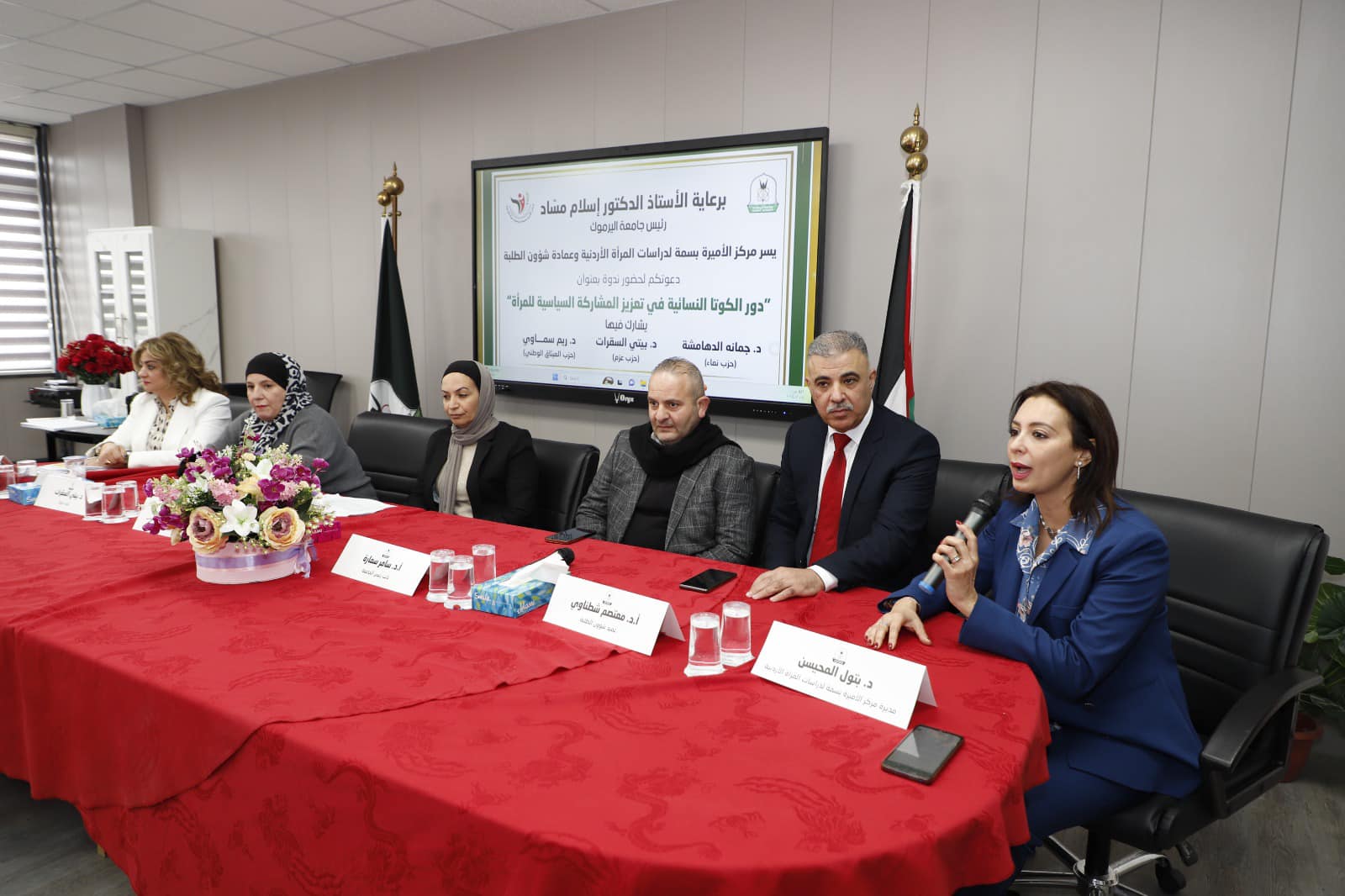
Dr. Islam Massad, President of Yarmouk University, encouraged the activities of the dialogue seminar titled "Political and partisan life and the role of young men and women in the royal vision for modernizing the political system," which was organized by the Deanship of Student Affairs and Princess Basma Center for Jordanian Women's Studies in cooperation with the "Yalla nsharek, Yalla nehtazeb" initiative and with the participation of the former ministers Nidal Al-Bat
In his speech, Massad affirmed Yarmouk University's belief in the importance of cooperation and participation with civil society institutions to reach a participatory vision that meets the royal desire for an effective political life that achieves tangible results through the involvement of all political, social, and economic forces and the different opinions on outcomes capable of moving society to a more developed, prosperous, and open society, in accordance with the
He went on to say that this dialogue seminar comes at a time when the national reform process is seeing tangible progress in various aspects of the political, economic, and social systems, citing His Majesty the King's constant affirmation that continuing the comprehensive reform process is a strategic choice and a necessity imposed by the Jordanian people's interests and the requirements of building the prosperous future they desire.
Massad emphasized that young men and women are active and significant aspects of Jordan's political landscape, and their importance cannot be overstated when discussing integrated change and partisan development. During the reign of His Majesty King Abdullah II, women gained wide qualitative support via His Majesty's royal instructions to succeeding administrations on the importance of women's involvement in formulating and making choices in numerous domains.
Massad emphasized that the youth are the apple of the leader's eye and that they are and will continue to be the focus of his care and attention. His Majesty had given them free rein to express their inclinations and ideas, and he urged and encouraged them to engage in political and partisan life without fear or hesitation.
He stated that Yarmouk University, despite its awareness of the challenges, is preparing to hold the university students' union elections through its will and provision of all requirements and means for the success of this entitlement, and he encouraged all university students, regardless of their intellectual orientations and political affiliations, to participate in these elections, which will serve as a small picture of the upcoming parliamentary elections.
In reply, Al-Batayneh emphasized that our identity in this nation is Jordanian to develop and promote Jordan, but it is also a fighting identity to free Palestine.
He stated that what we need is competing party plans and that parties must be patriotic, suggesting that the fear of partisanship has become "one of the scarecrows of the past."
He went on to say that access to power is one of the ABCs of any political party, and in order to achieve this, the party must have a comprehensive plan for all aspects of life, as well as provide competencies to student councils in universities, chambers of commerce and industry, unions, and the House of Representatives.
Al-Batayneh explained that when partisan representatives form a quantitatively and qualitatively balanced bloc under the dome of Parliament, there is a party reference from the specialized committees that direct the various laws, and in this concept, the "National Representative" is achieved, who is the Deputy for Legislation and Oversight rather than the Deputy for Services.
For his part, Obaidat emphasized that the conscious Jordanian citizen is the ally of the state that has achieved proactiveness in reconciling security and democracy, as well as its proactiveness in establishing the Royal Commission to modernize the political system. This commission produced a system of legislation known as Al-Banan through the trinity of constitutional amendments, the election law, and the political party’s law, which is considered the main incubator for a prosperous
He emphasized the need for parties to improve their candidate selection of young women and men for the next parliamentary elections in order to have 39–40 MPs of women and young women in the next parliament.
Obaidat said that this sort of seminar will lay the groundwork for a partisan and programmatic youth society, demonstrating that young people are change agents and shapers of the nation's destiny.
He went on to say that in the future, young people will be able to form party governments from the bosom of Parliament and from under the dome, especially now that the Parties Law has opened the door wide for youth participation in programmatic political parties, with 30 parties so far, and that he hopes to increase party participation by 7–10%.
Obaidat believed that the system for practicing student party activities in higher education institutions resulted in several instructions that allowed for party affiliation and establishment, as well as allowing deanships of student affairs to serve as a point of contact for students interested in organizing party activities in universities.
Al-Saleh, for his part, emphasized that young men and women's engagement in parties is critical to the success of party activity and its capacity to propel Jordan forward.
He said that Jordanian society is youthful, with 54% of the population under the age of 24 and 66% under the age of 32. This suggests that Jordan has one of the most critical manufacturing components, the human factor, which outperforms that of other nations globally. As a result, it is critical to engage these skills and energy in labor, construction, and the capacity to contribute via deliberate, programmed party work.
Al-Saleh stated that involving both young men and women in party activities necessitates their access to education, which Jordan has successfully achieved for all of its citizens, as well as employment prospects that enable them to offer and accomplish.
He added that resolving these two difficulties necessitates matching educational achievements with labor market needs, as well as focusing young men and women's attention toward the professional labor market and future occupations where there is a shortage.
In response, Qawaqza emphasized that the better future to which Jordanians aspire would not be realized without national programmatic party activity and that Jordanians may now participate in party work and profit from worldwide party experiences that have proved successful.
Qawaqza said that the interest and focus on the role of youth and universities in party work is not a luxury but rather comes from the fact that universities are the incubator of future leaders and that the leaders of tomorrow, and those who will manage all national files in the future and make decisions about them, are currently university students, as they are the fuel for production and giving, hence the focus on the essentiality of their role in purposeful nationalism.
He emphasized the need for young people to understand the importance of playing their role in assuming their national responsibility for building and positive change through parties, which are considered real platforms for Jordanian youth to have their say and prove their role in developing society in various fields, and that young people distancing themselves from party work will inevitably result in a blank that causes work and advancements in all fields
The seminar, conducted by Saif Bani Mustafa and attended by a number of deans, representatives of the university's teaching and administrative staff, and a group of its students, concluded with the panelists answering questions and queries from the public.
Dr. Batoul Mujahid Al-Muhaisen, Director of the Princess Basma Centre for Jordanian Women's Studies at Yarmouk University.
When the language of numbers indicates that approximately 35% of Gaza's martyrs are women, that more than 100,000 women have lost their husbands and are supporting their families alone, that more than half a million women are seeking refuge, and that thousands of girls have been left without a brother or father, Or even a sister and mother, and more than 50,000 pregnant women, 6,000 of whom gave birth this month, were denied access to health care. This alone demonstrates that the plight of Gazan women goes beyond all descriptions and assessments, and the humanitarian crisis is no longer only the product of the war. Rather, it has become a label for a difficult situation to resolve.
In this painful reality, it is not easy to limit ourselves to talking about values, humanity, and development, and even about the weakest ways of life in an abstract and general way. The priority should be to talk about the mother who builds homes, the girl who is looking for the future, and the child whose identity and future are lost, and perhaps it is not possible to talk about the efforts that must be made in light of this bitter reality. In the face of a harsh and agonizing silence.
Writing about the difficulties and anguish that Palestinian women face and repeating the scenario will not end the conflict quickly, nor will it create houses, schools, or hospitals, nor will it restore the capacity to handle death, sickness, loss, and poverty. Which such catastrophes produce in the hearts of defenseless Palestinian women in Gaza. What is required today may be for us to be a part of Jordan and its wise Hashemite leadership in defending Palestine and providing humanitarian support to all groups that are exposed to aggressive behavior, apartheid, and genocide, which has become a clear symbol of the practices of the occupation army, through a continuous scientific, research, and humanitarian approach that ensures the continuation of these efforts until the end of the crisis and the establishment of
These practices undermine the values of peace and stability, increasing costs for the entire region, including Gaza, in vital sectors like health, education, and justice. This stifles progress and production, preventing women and society from fully benefiting from economic and social resources.
As a result, a quick and robust reaction to this stage's objectives, as well as progress toward constructing an integrated Arab initiative for violence prevention, starts with the creation of qualitative databases on the quality of life of Palestinian women, particularly in Gaza. And reading the extent of the commitment of international institutions and the international community to confronting violence directed at Palestinian women and even building an Arab system to support Palestinian women and girls cognitively, morally, and materially, so that they can develop the infrastructure of their communities and build a new starting point that ensures improving the type of life they live, and so that we build a foundational role in directing services.
Because Palestinian women are symbols of growth and fortitude, the conflict must not disrupt their economic and political opportunities. Rather, it must strengthen their role as the foundation of a new development, emphasizing the image of the strong Palestinian woman who supports the steadfastness of her people and country and who serves as a source of strength in the face of crises, which is what all institutions operating in Gaza must be built on.
Rather, this must be accompanied by specific media campaigns that convey to the world this beautiful face of the capable woman, the beautiful child, and the distinguished girl who faces wars with patience and aggression while giving, and perhaps I can recall a previous statement by Her Majesty Queen Rania Al-Abdullah: "The reality of the Palestinian child and the Palestinian mother is very painful. There are generations who have not experienced serenity and peace, which is intolerable, and we in Jordan believe that the region cannot enjoy peace and stability until the Palestinian problem is settled." I perceive the royal concern for women and children as a symbol of peace and stability.
The Jordanian support provided by the Hashemite Charitable Organization and our Jordanian Armed Forces to the people of Gaza is another form of support for women and families, as creating a healthy and humane environment and contributing as much as possible to raising the level of confrontation of the crisis for Palestinians on their land is a fundamental axis for declaring the ability to continue and build.
To summarize, I believe that developing a system of social peace in Palestine is first and foremost about women, and that dealing with women requires qualitative efforts that balance their potential to grow with their crucial role in life, especially because Jordan is Palestine's lung. Jordanian women, headed by Her Majesty Queen Rania Al-Abdullah, will continue to stand in solidarity with Palestinian women. In fulfillment of His Majesty the King's vision, who continues to protect the lives of our people in Gaza and the human rights of every human being on this part of our occupied land, as well as to address global public opinion to expose the occupation's crimes against the entire Palestinian social component, including women and children.
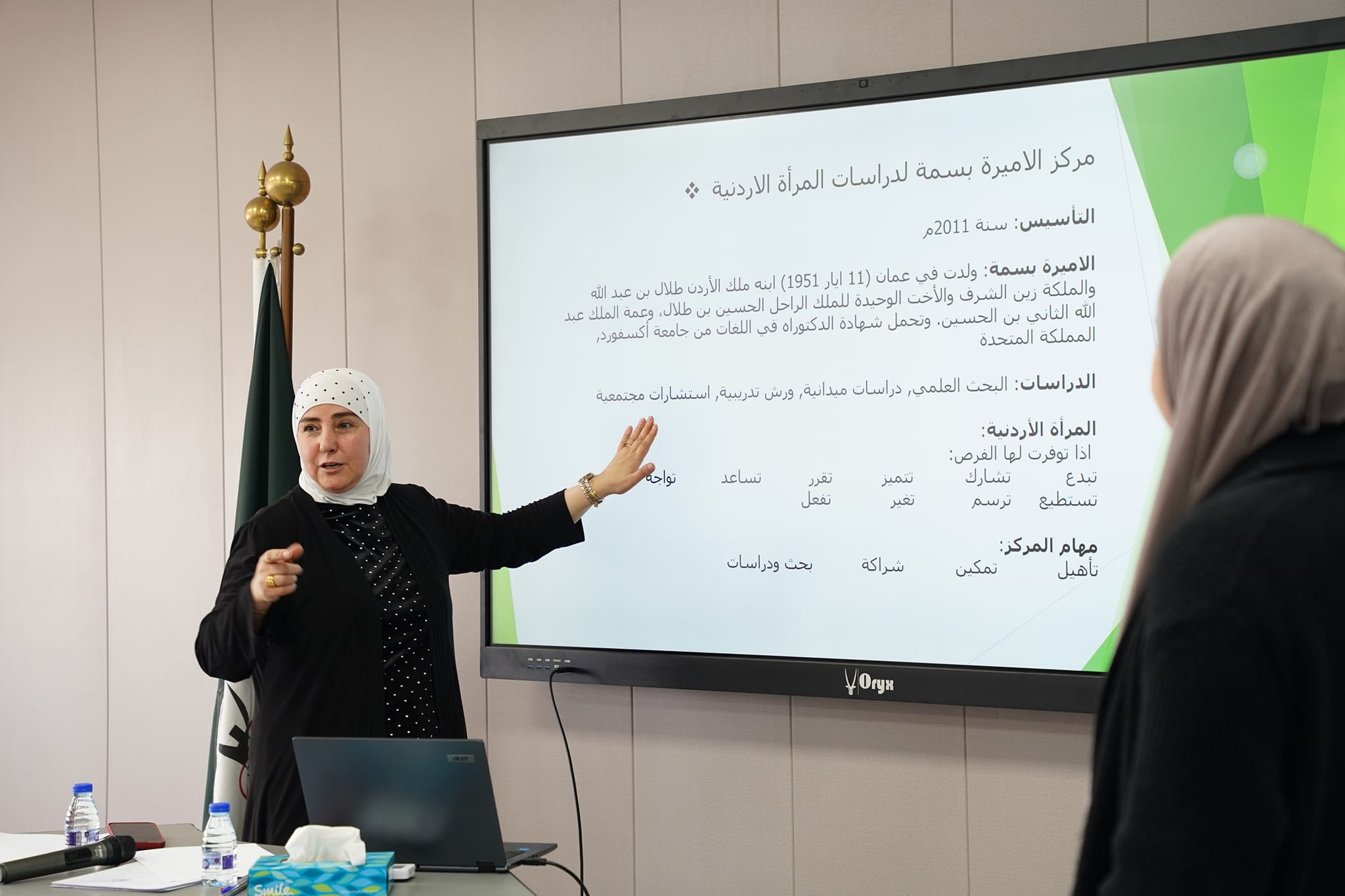
The Princess Basma Center for Jordanian Women’s Studies at Yarmouk University is an academic and research center dedicated to women’s empowerment. It conducts studies and training programs, supports national policies, and promotes women’s participation through local and international partnerships.